Earthquake-proof
low-tech
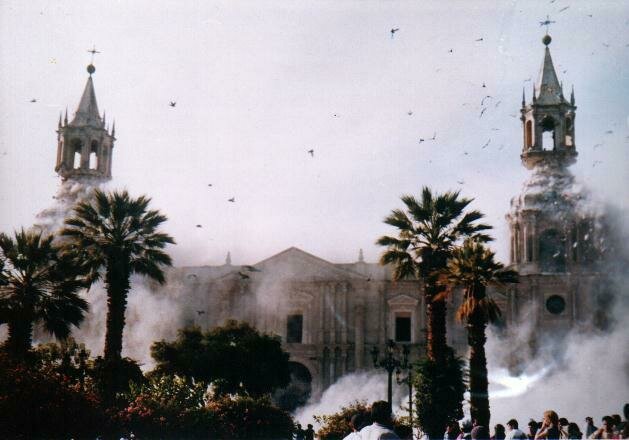
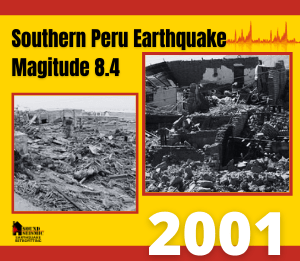
In July 2001, we arrived in Peru equipped with Western construction ideals—concrete, bricks, and rigid structures. However, nature provided an immediate, sobering reality check. An 8.4-magnitude earthquake struck Arequipa, leaving the city’s iconic cathedral in ruins and demonstrating the vulnerability of modern materials to Andean seismic activity.
Introduction: Lessons from the Valle de Colca
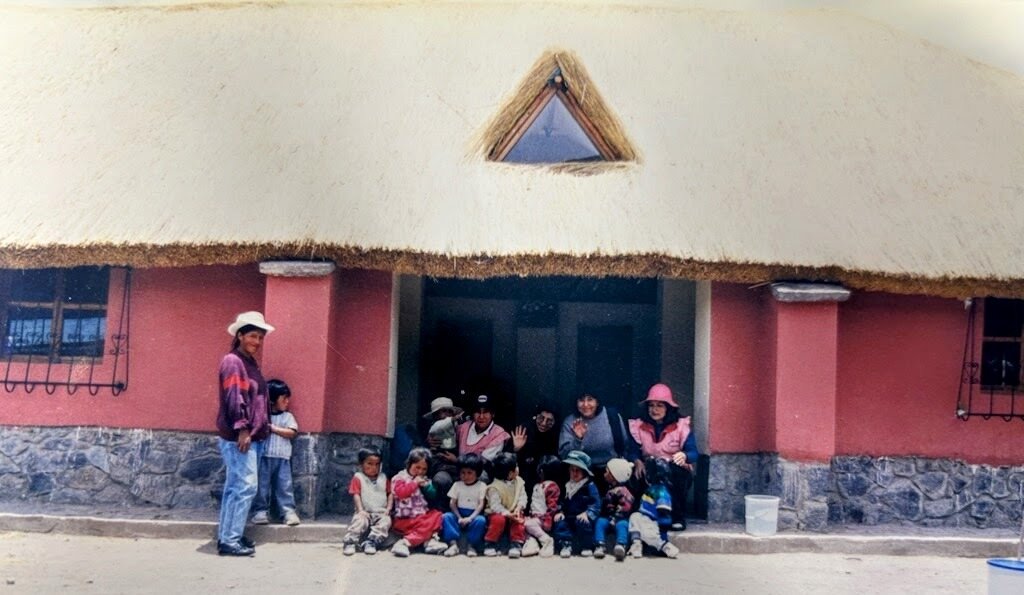
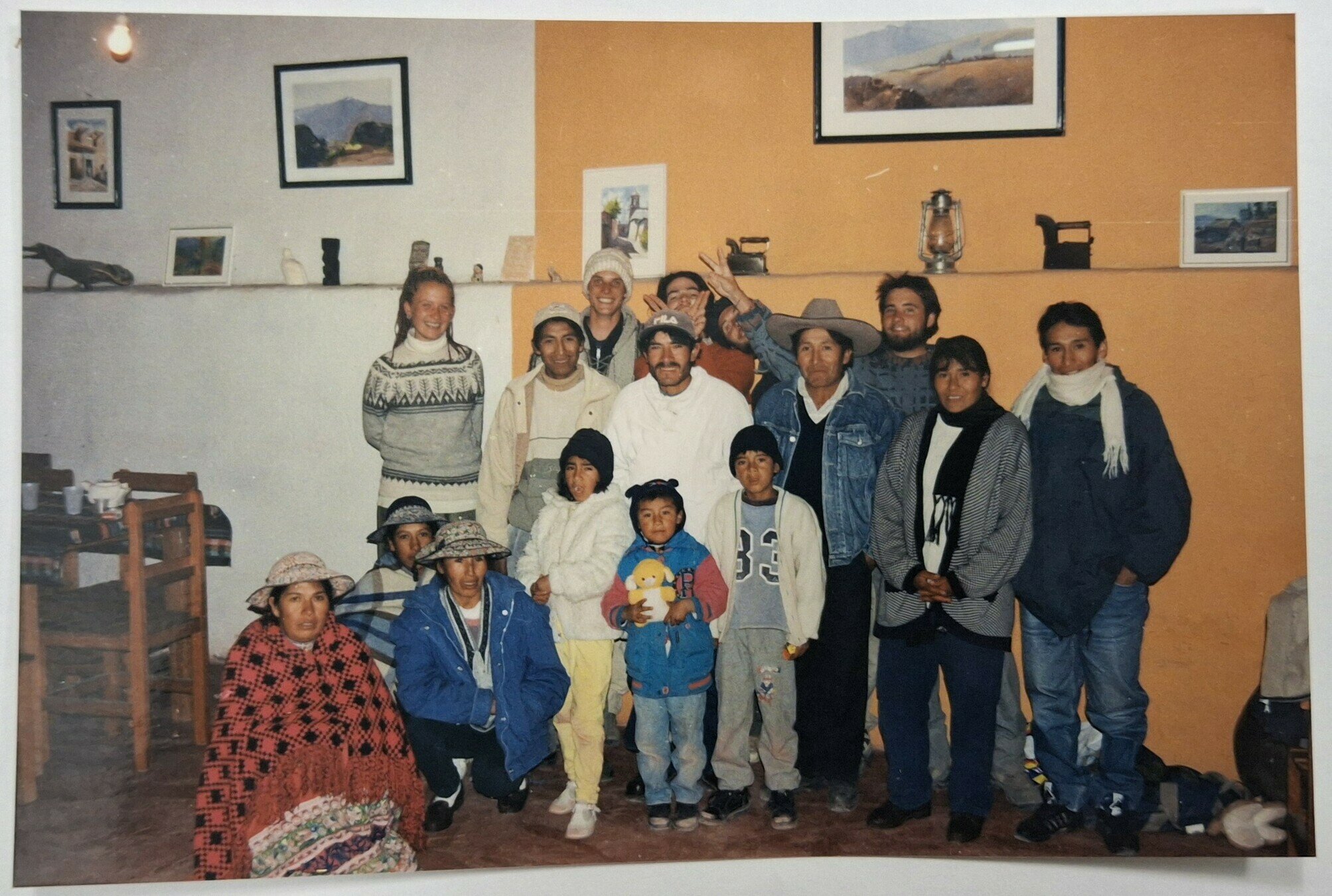
This presentation documents a shift in perspective: from imported technology to the enduring wisdom of low-tech, earthquake-proof methods. Between July and August 2001, we designed, built and delivered a kindergarten building in Yanque, Valle de Colca, under the guidance of Marcelo Berolatti, an Arrequipa-based architect returning to his birthplace.
Under Berolatti's supervision, we experienced a construction process that prioritizes local materials and flexible structural integrity over the brittleness of modern masonry. What follows is a technical account of building for resilience in one of the most seismically active regions on Earth.

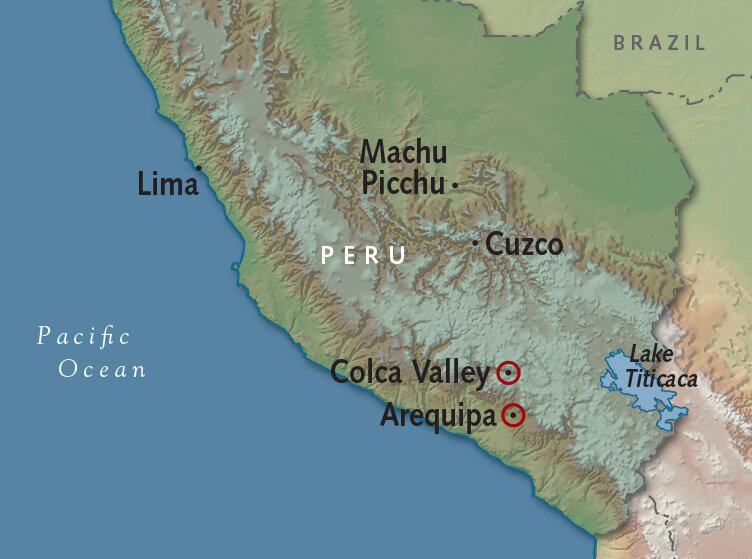
Valle de Colca
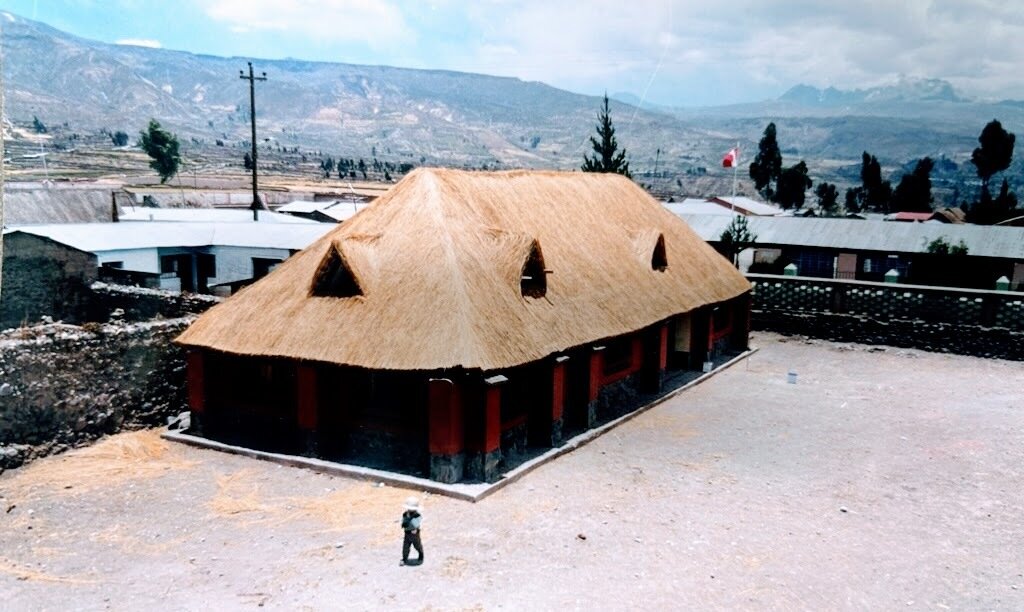
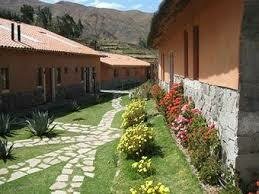
Final building
The earthquake
Arequipa - epicentre
(see how the lanterns are grinding their basement to dust under the earthquake's waves.)
Earthquake-proofing elements
- Mochetas
- Deep stone foundations
- Wall structure
- Ring beam
1
Compliant walls
- Roof structure
- Roof cover
- Connections
2
Fexible & light roof
- Stones
- Bamboo sticks
- Bamboo mats
- Strawbales
- Leather bands
- Eucalyptus trunks
3
Materials
Compliant walls
- Mochetas
- Deep stone foundations
- Wall structure
- Ring beam
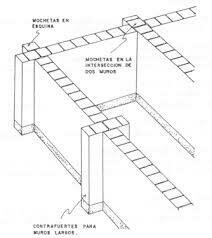
Mochetas
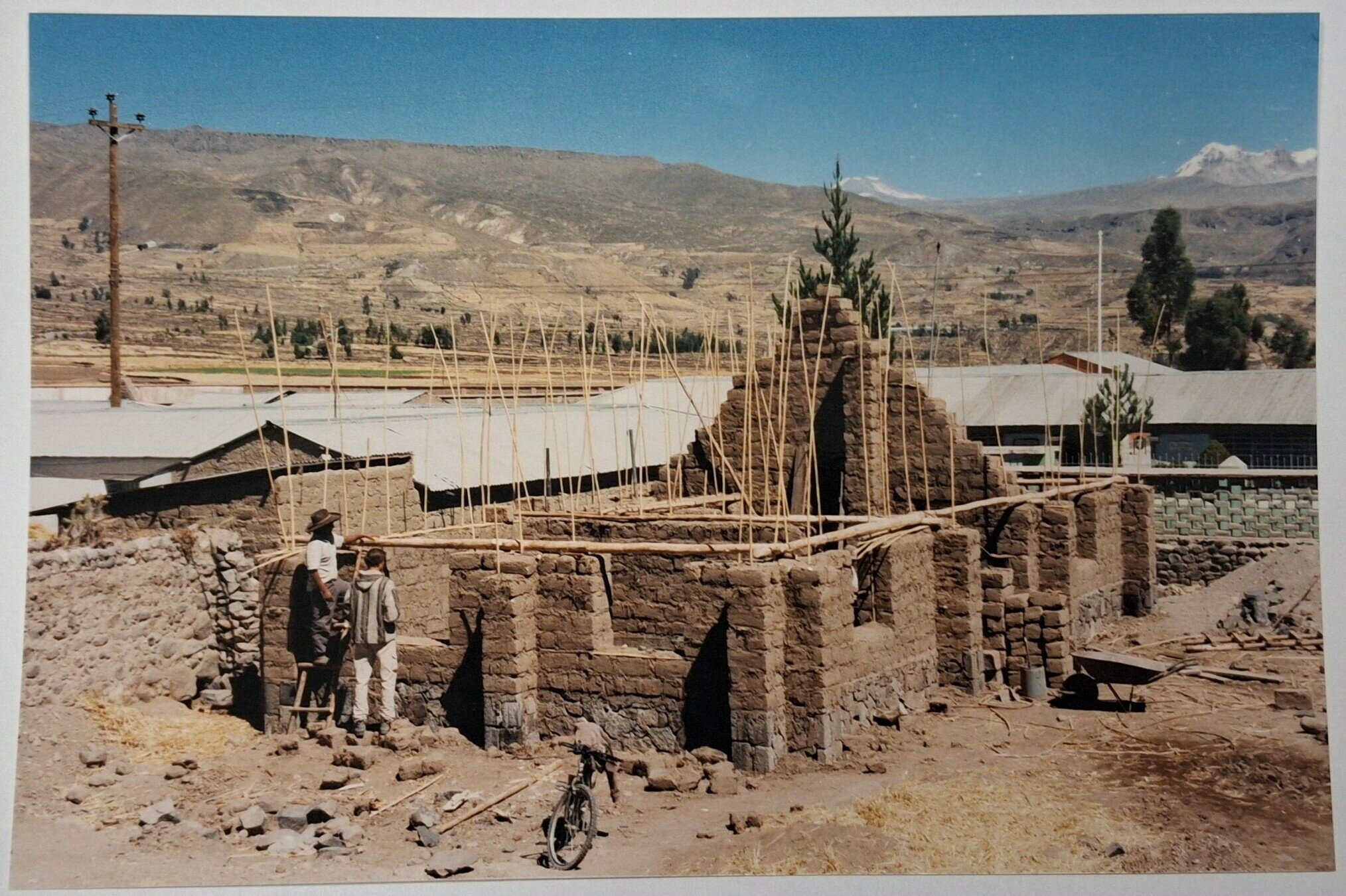
By weaving the walls together, the mochetas prevent an earthquake from breaking the walls' joints and separating them, thereby jeopardizing their stability.
Mochetas enable walls to hold each other in place.
A study in Spanish, if you want to go further:
https://www.scribd.com/document/503847149/Adobes
Stone foundation
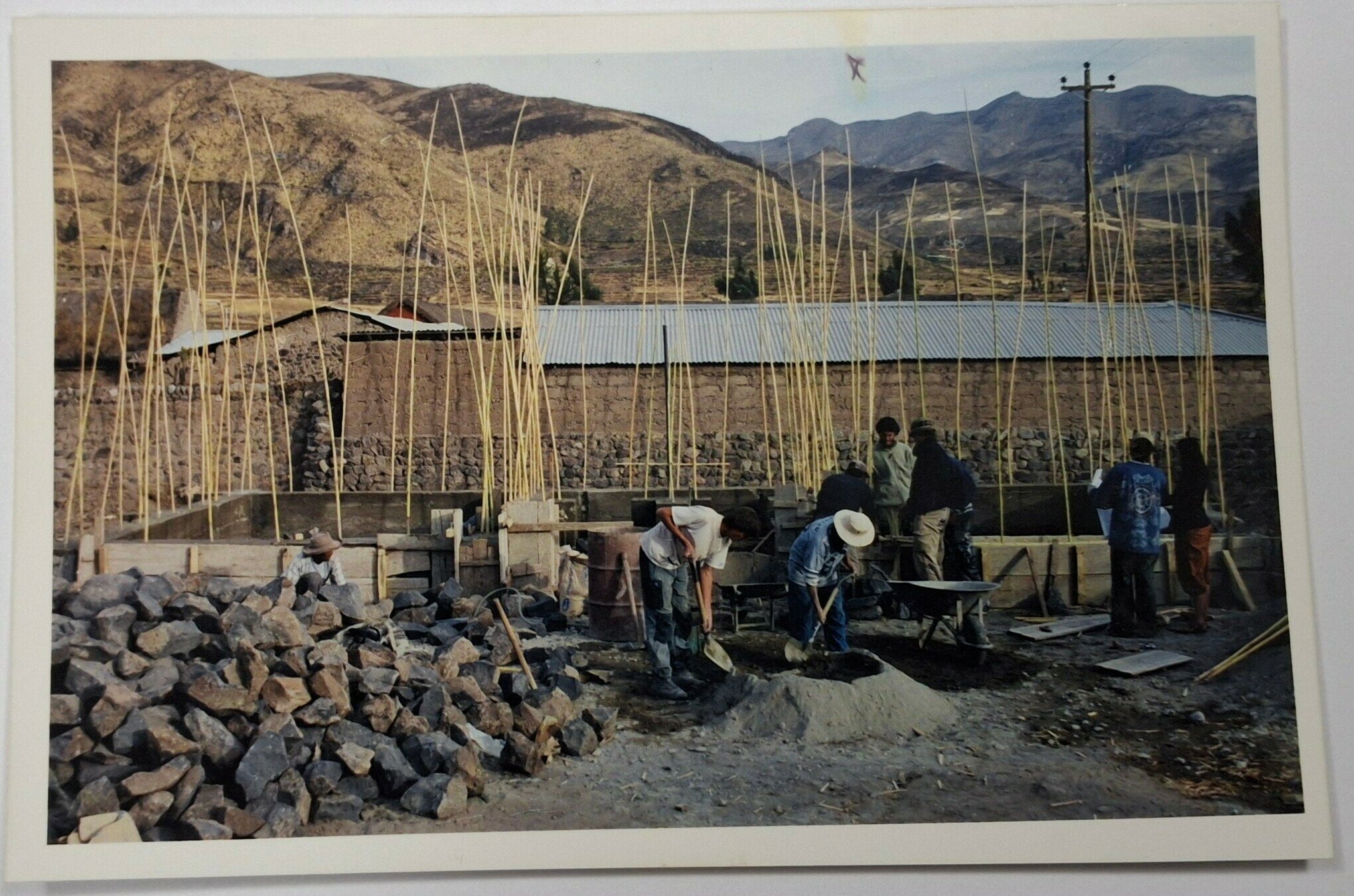
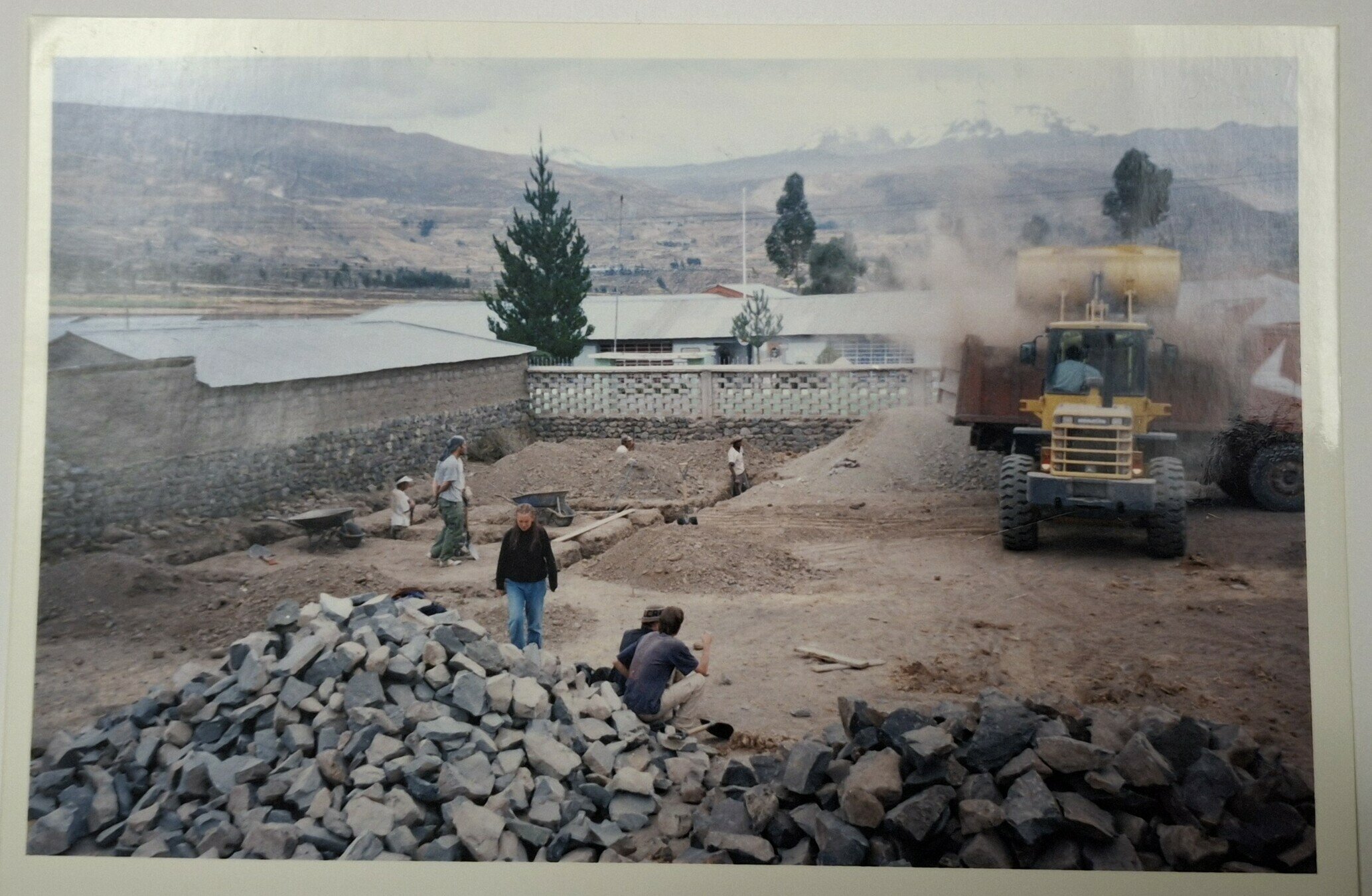
Once delivered, the rounded stones must be broken to produce flat faces. Then, they are positioned from the bottom of the 5' deep foundation to the top of the parapet formwork, 2' above the ground.
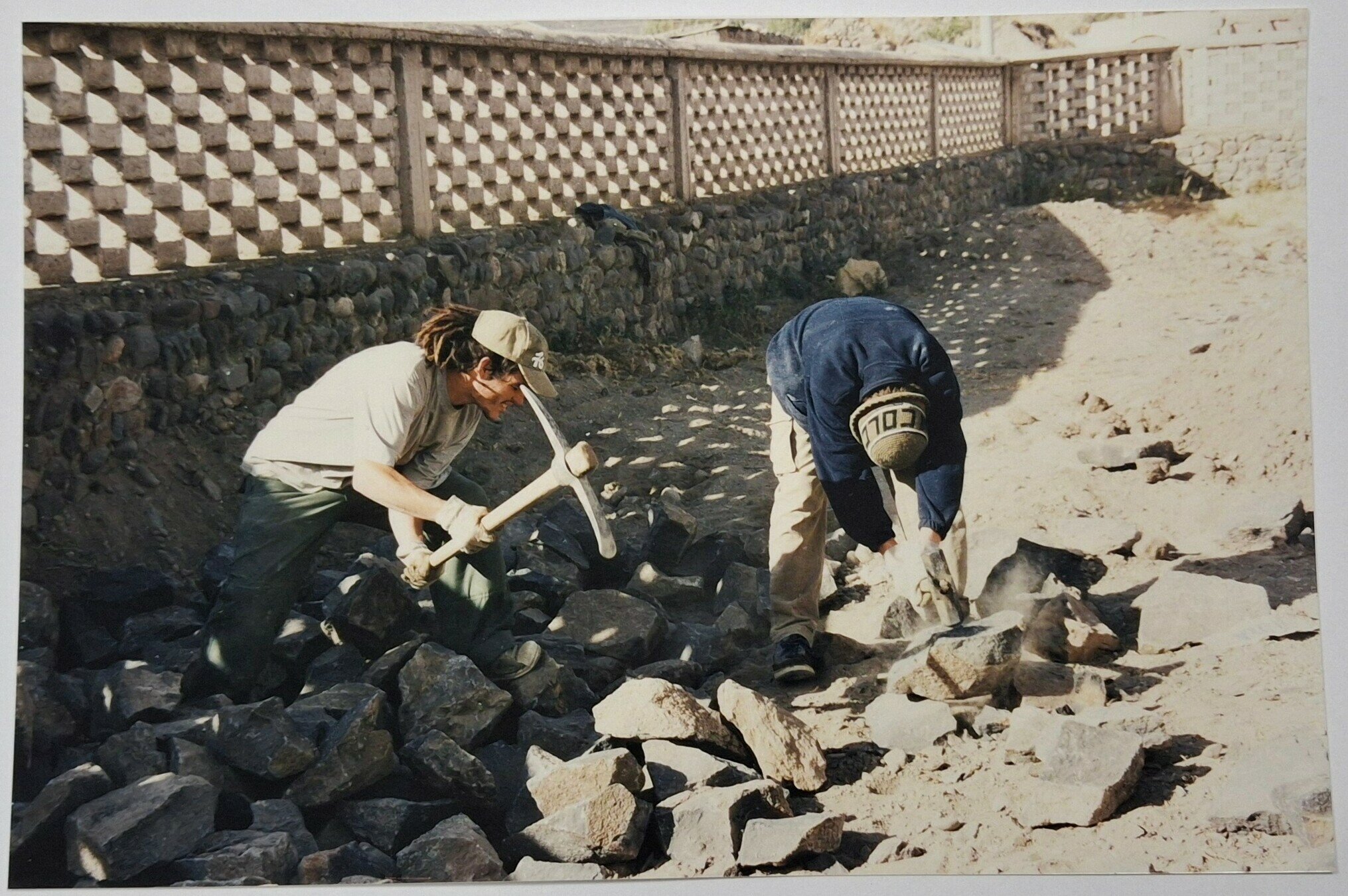
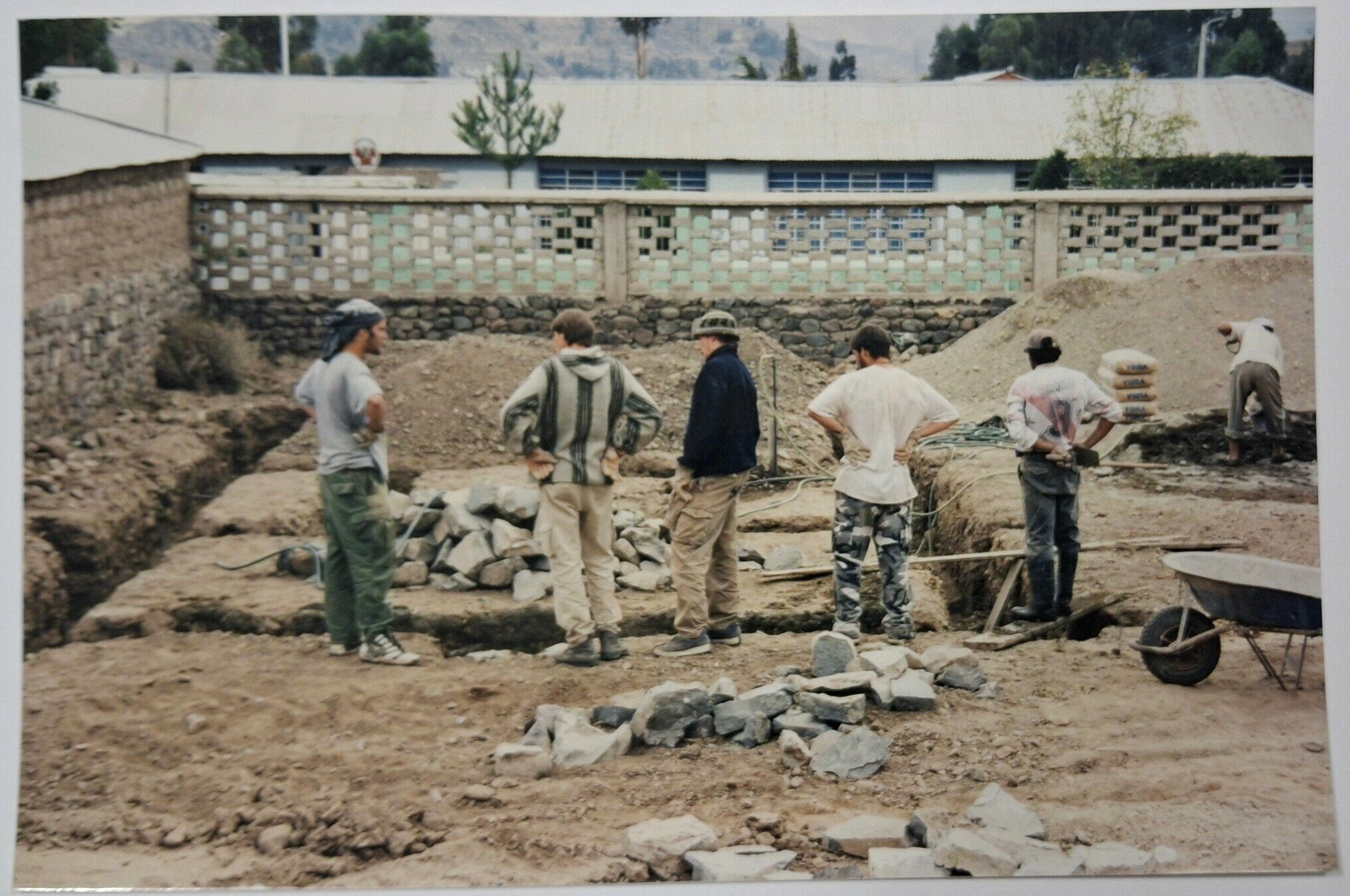
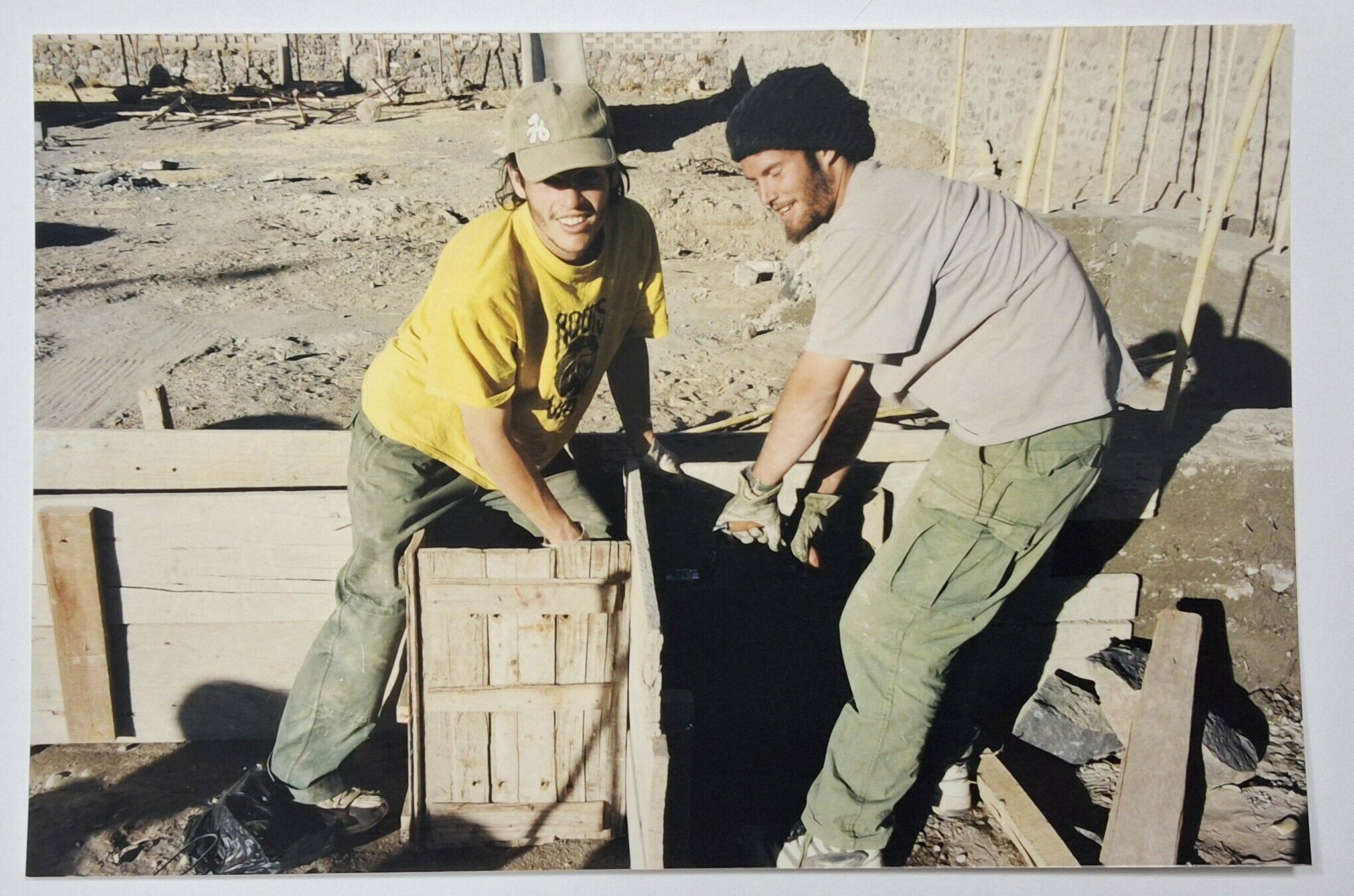
Stone foundation
... and parapet formwork.
Wall structure
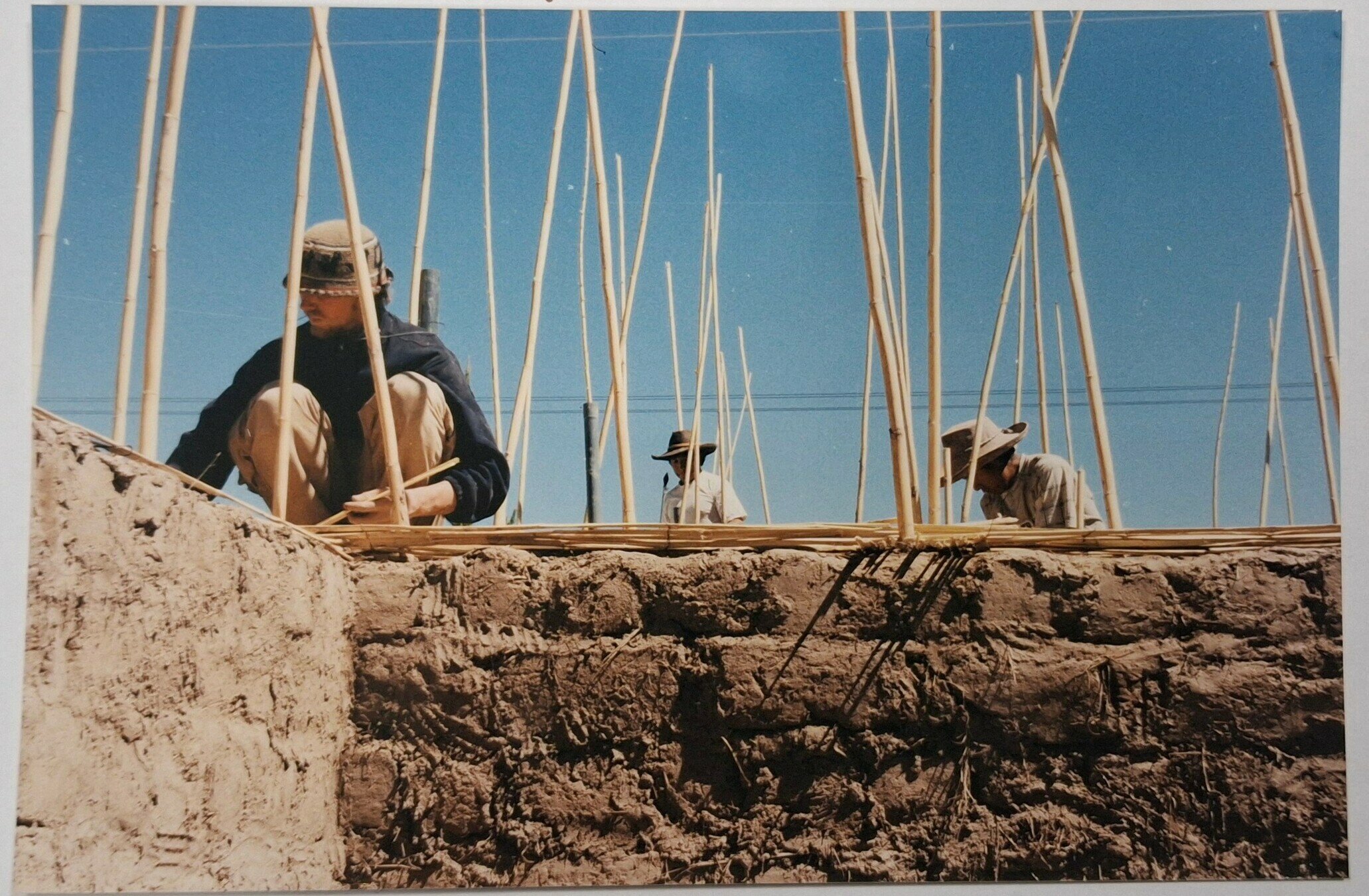
Bamboo sticks are fixed vertically in the foundations, between the stones, and into the concrete, and will provide elasticity during transverse and longitudinal seismic waves.
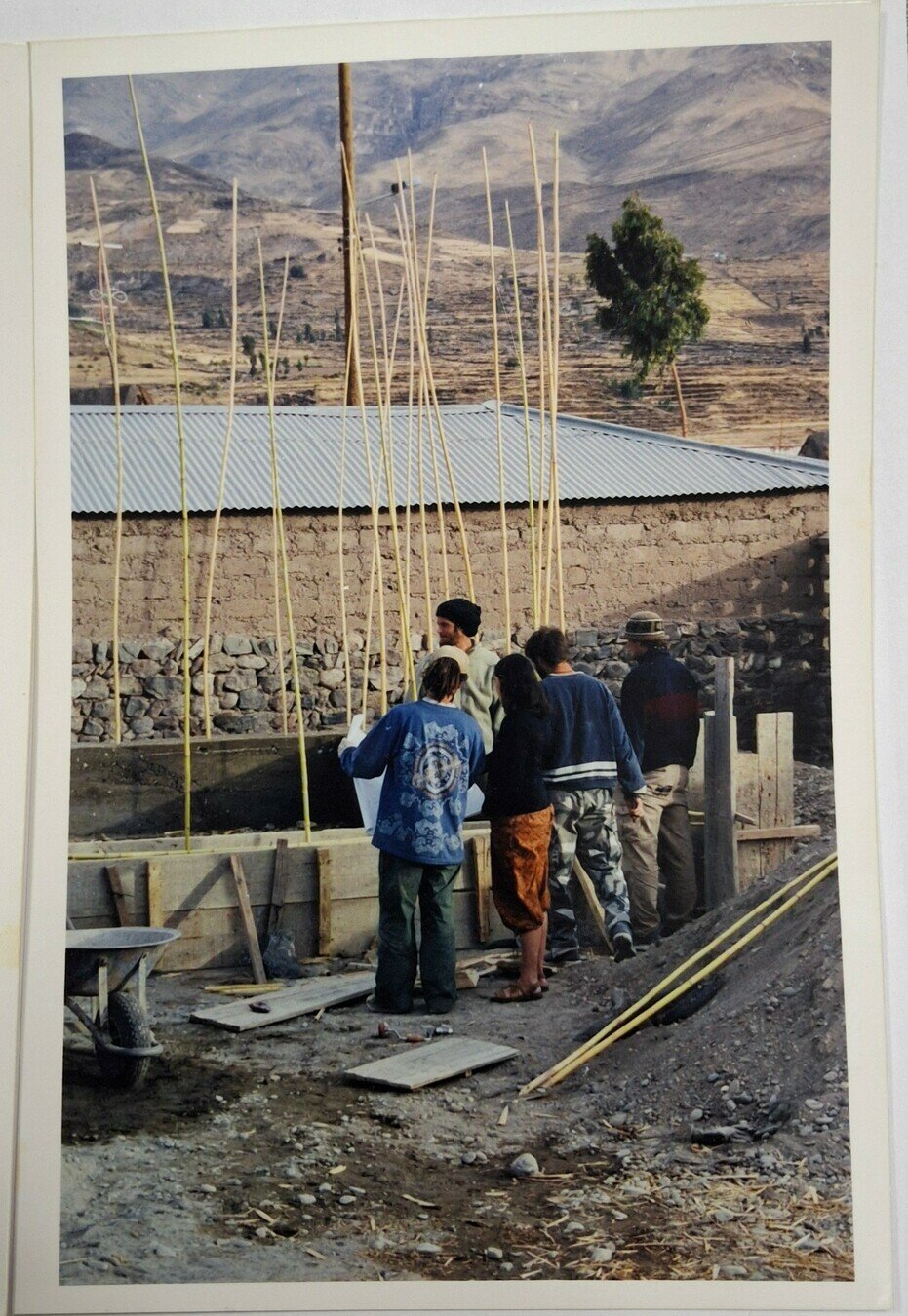
Vertical bamboo sticks
Wall structure
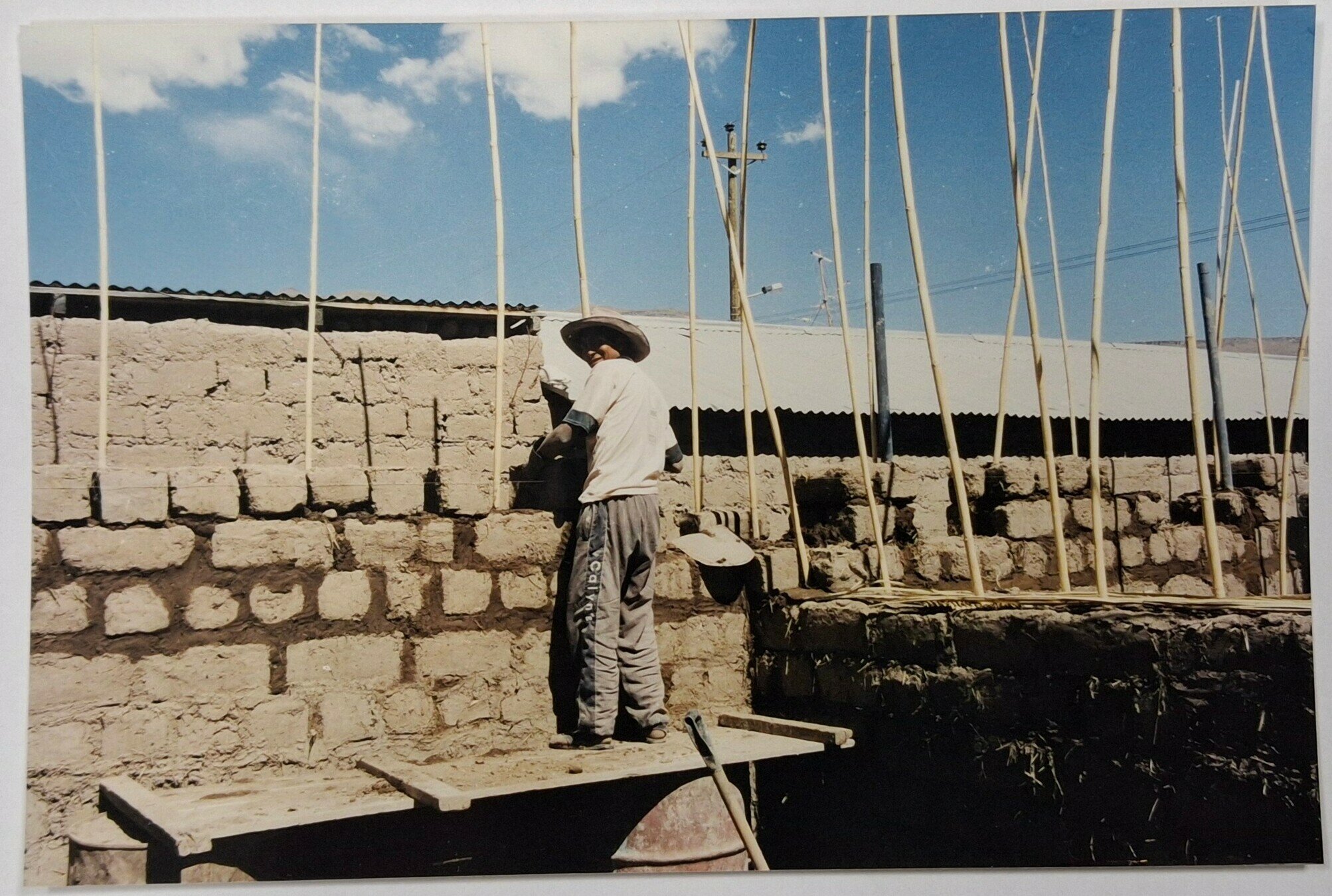
Bamboo is broken into long pieces and assembled in mats before being laid over two rows of adobe to improve elasticity and resistance to earthquake vibrations.
Horizontal bamboo mats
Ring beam
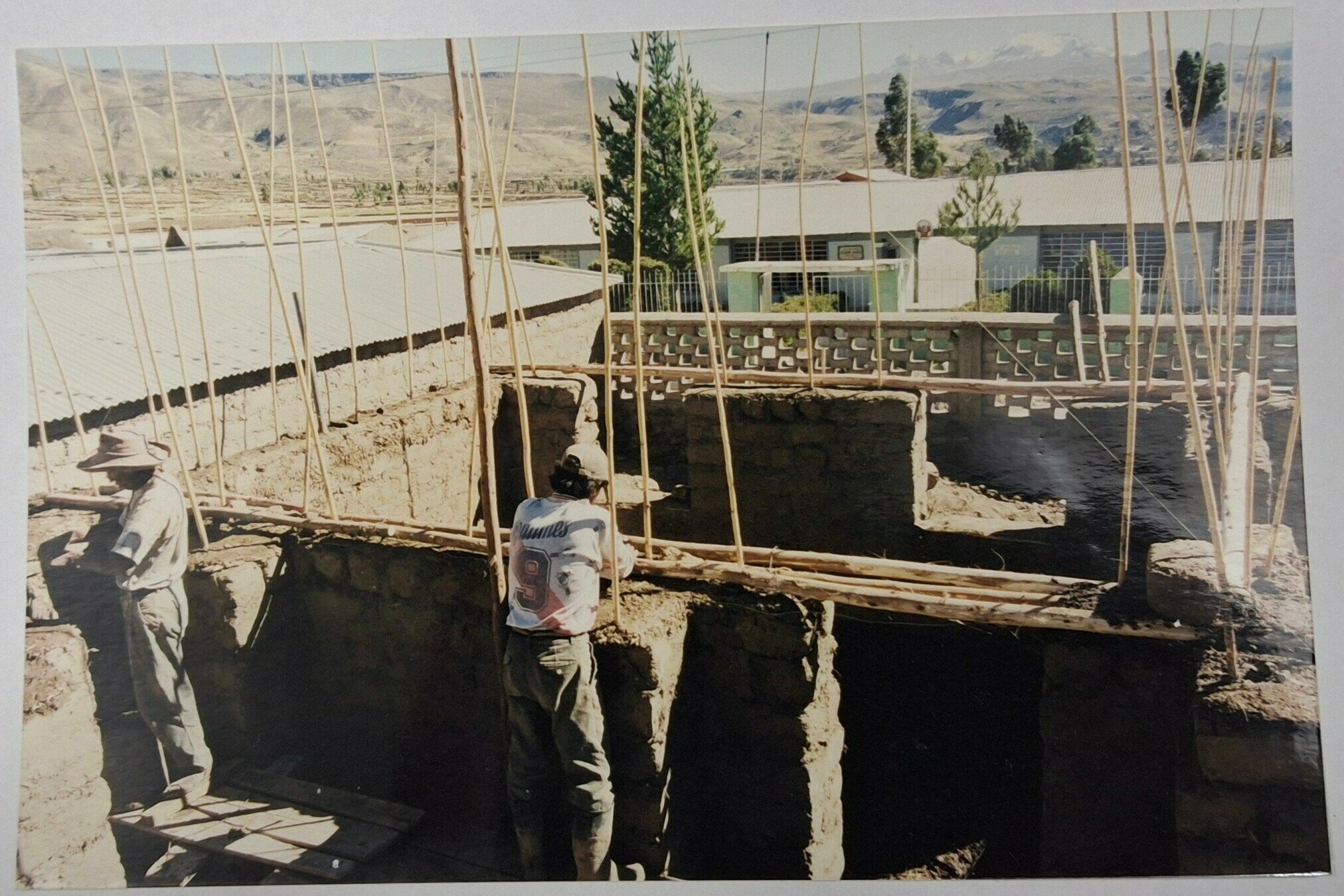
Trunks of eucalyptus are linked to form a ring beam that holds the vertical bamboo sticks together. The ring beam introduces a layer of cohesion in the wall response to seismic waves.
Flexible & Light Roof
- Roof structure
- Roof cover
- Connections
Roof structure
The Equilateral Square Pyramid. The shape is among the most stable because all joints work together to maintain it.
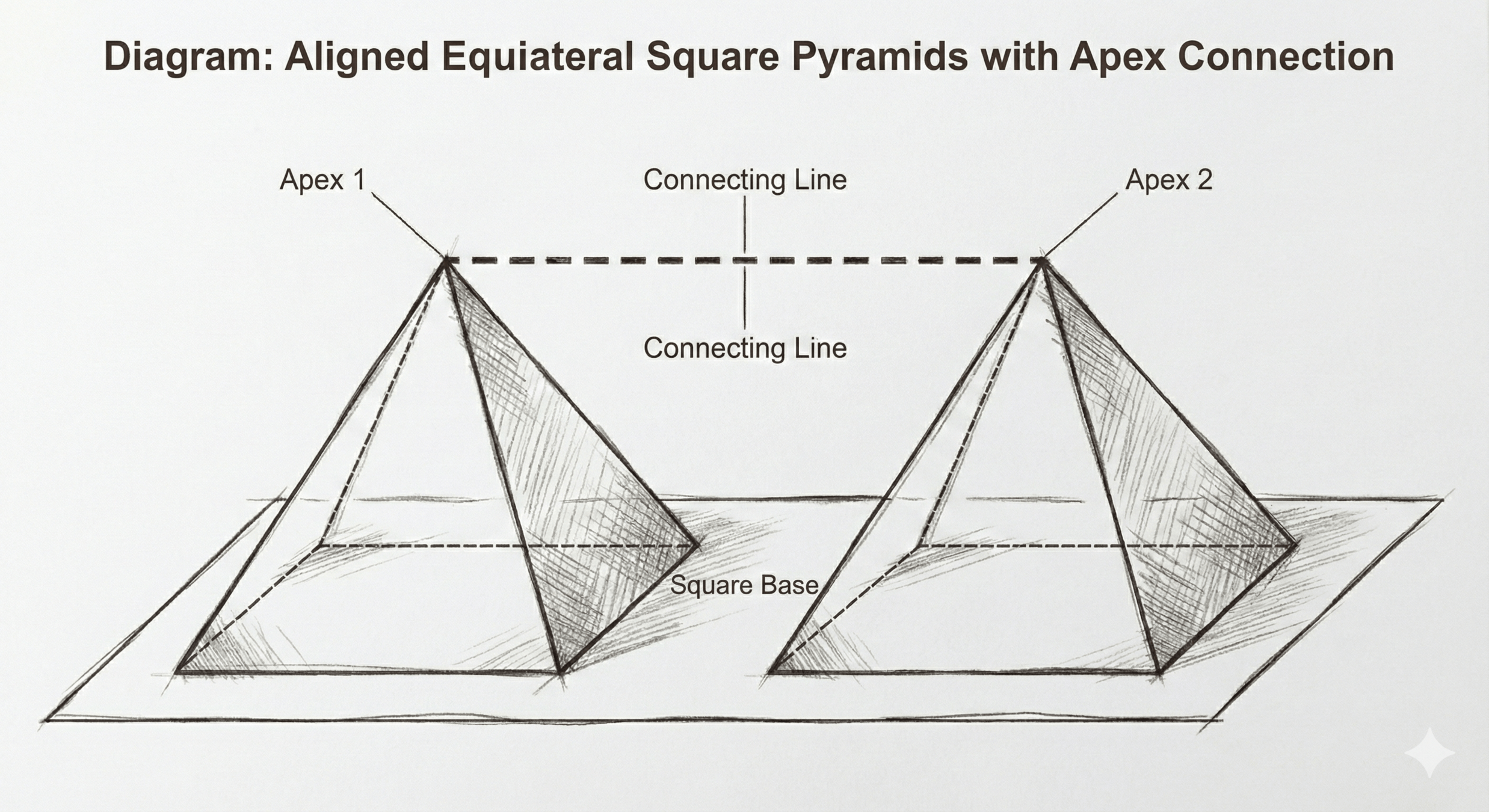
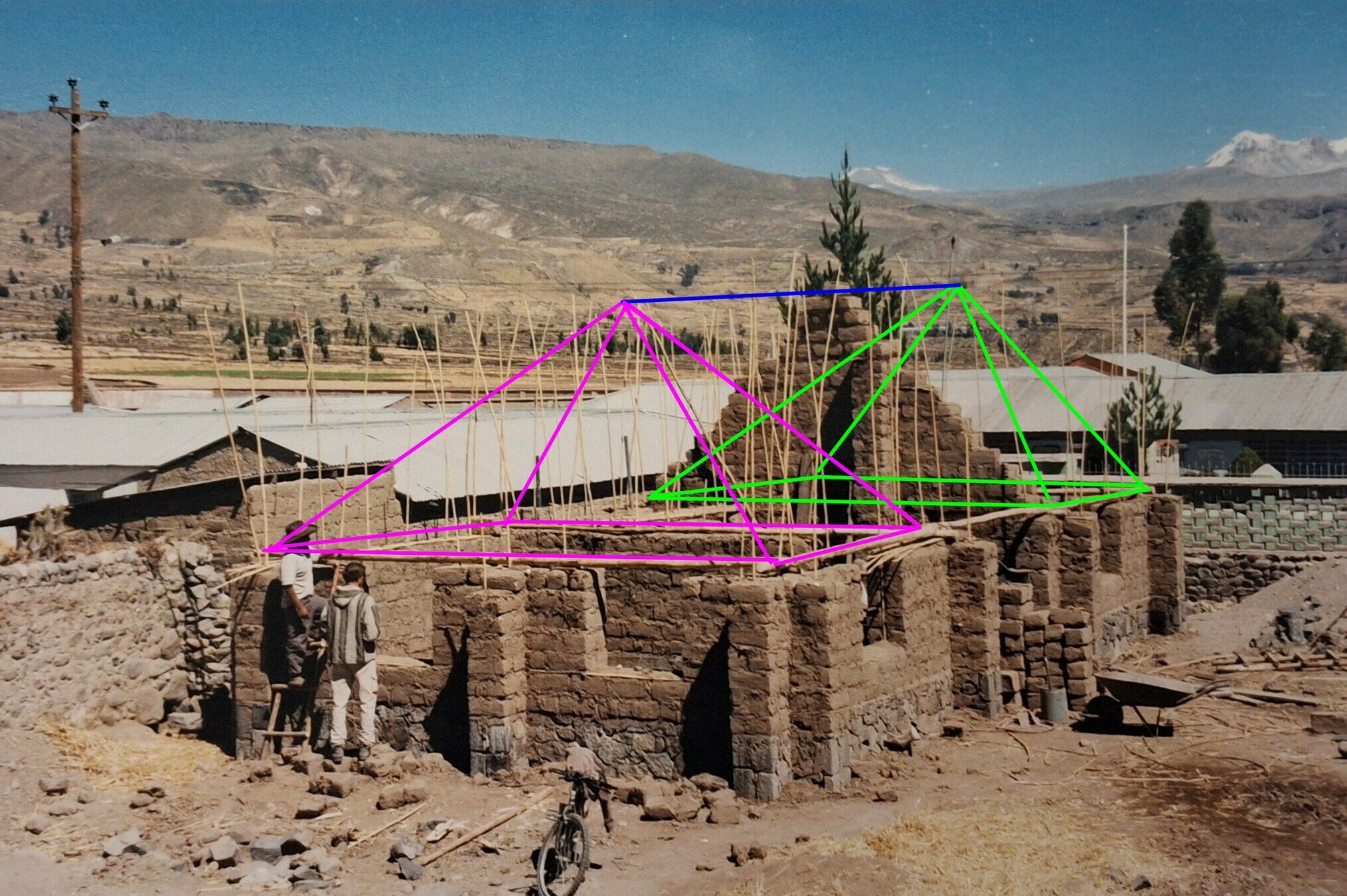
The roof structure consists of two equilateral square pyramids with a horizontal beam to link the two apses and provide stabilization for the chimney wall (reaching to the ridge).
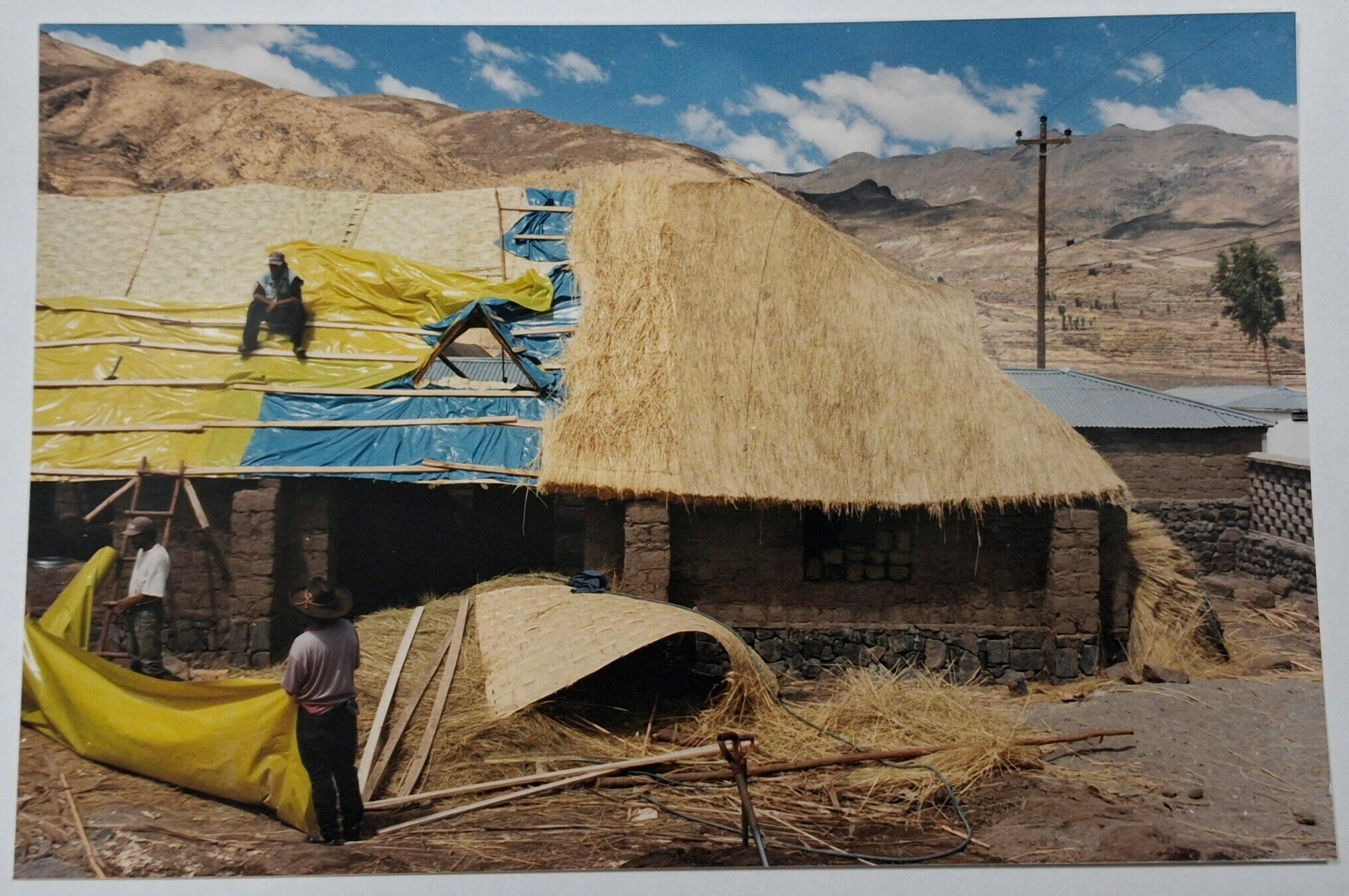
Roof cover
The roof structure is now covered with woven, dried corn leaves mats, under a layer of plastic tarp fixed to the purlins.
They will serve to anchor the multiple layers of the thatched roof.
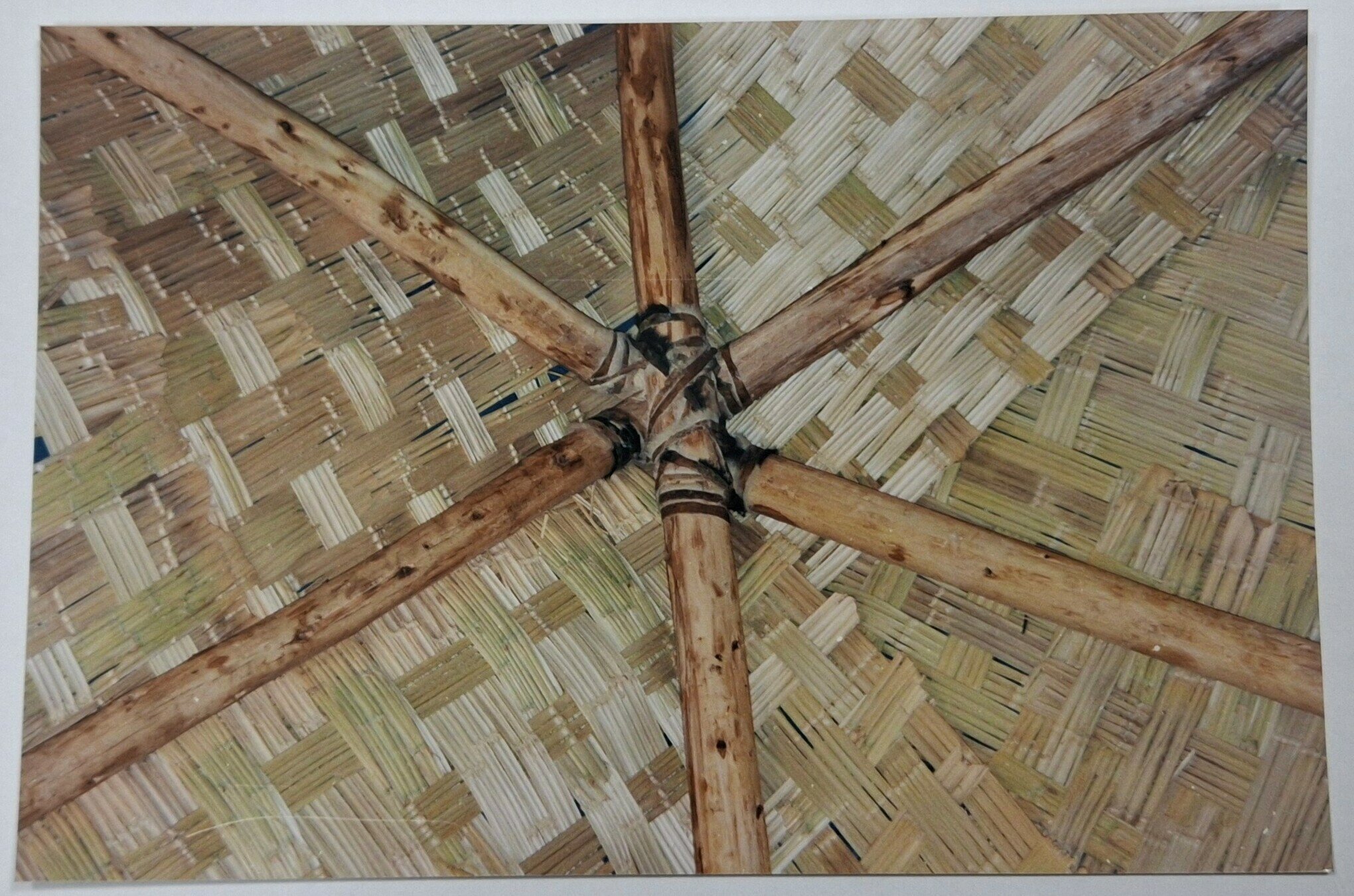
Connections
The roof structure is connected to the ring beam with hairy leather bands, as with the trunks together. First, they are soaked, then they dry on the connection, tightening and strengthening the connection.
Materials
-
Stones
-
Bamboo sticks
-
Bamboo mats
-
Thatch
-
Leather bands
-
Eucalyptus trunks
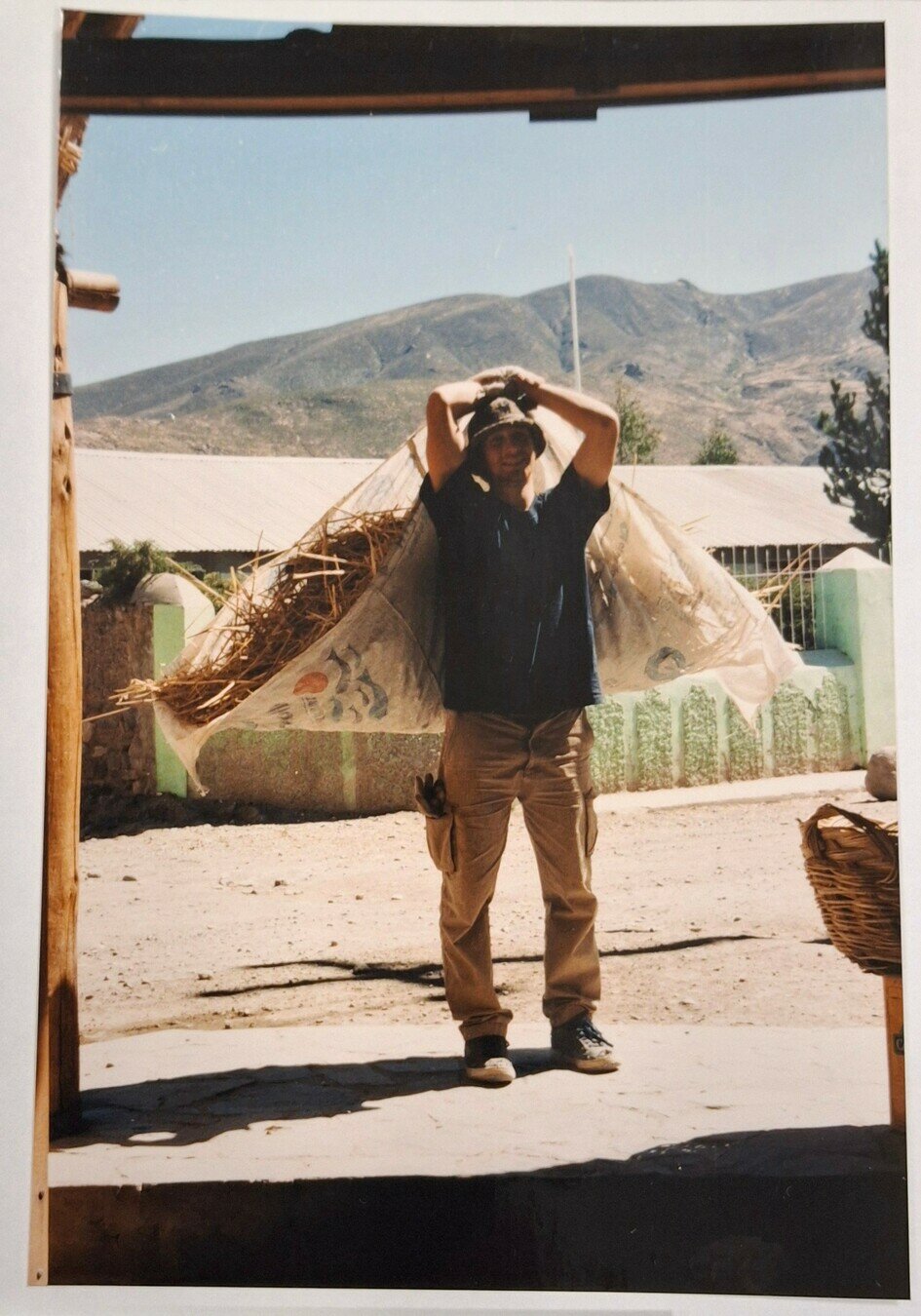
The thatch was sold by Brazadas, so we sent our timber for the deal.
This traditional unit refers specifically to the amount of material that a man can encircle or "embrace" with both arms.
-
And the ADOBE
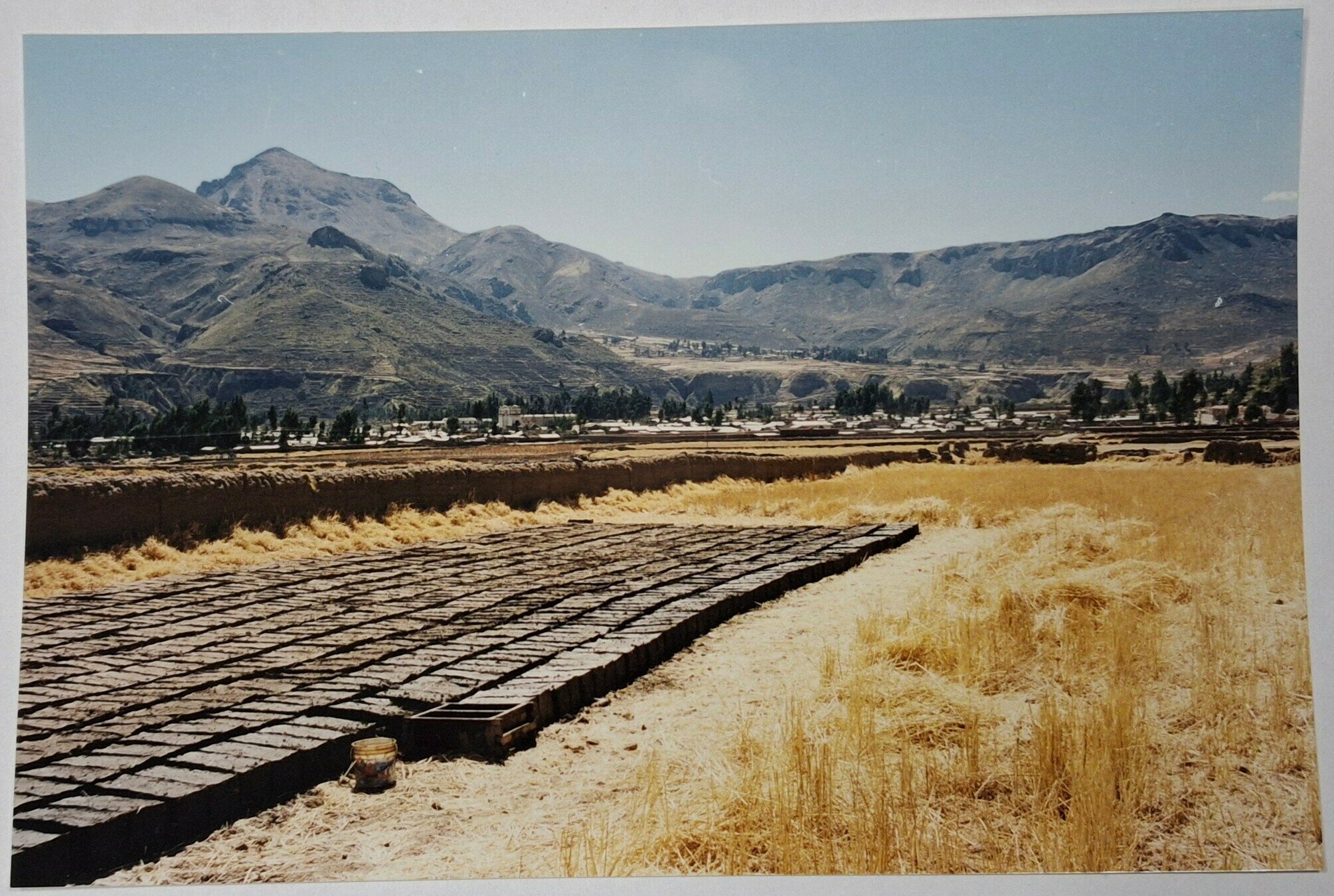
Adobe bricks are sun-dried building blocks made from a mixture of organic soil, water, and a stabilizer such as straw to prevent cracking.
These unfired units are traditionally laid with a mud-based mortar to create thick, load-bearing walls known for their exceptional thermal mass and natural breathability.
Adobe bricks
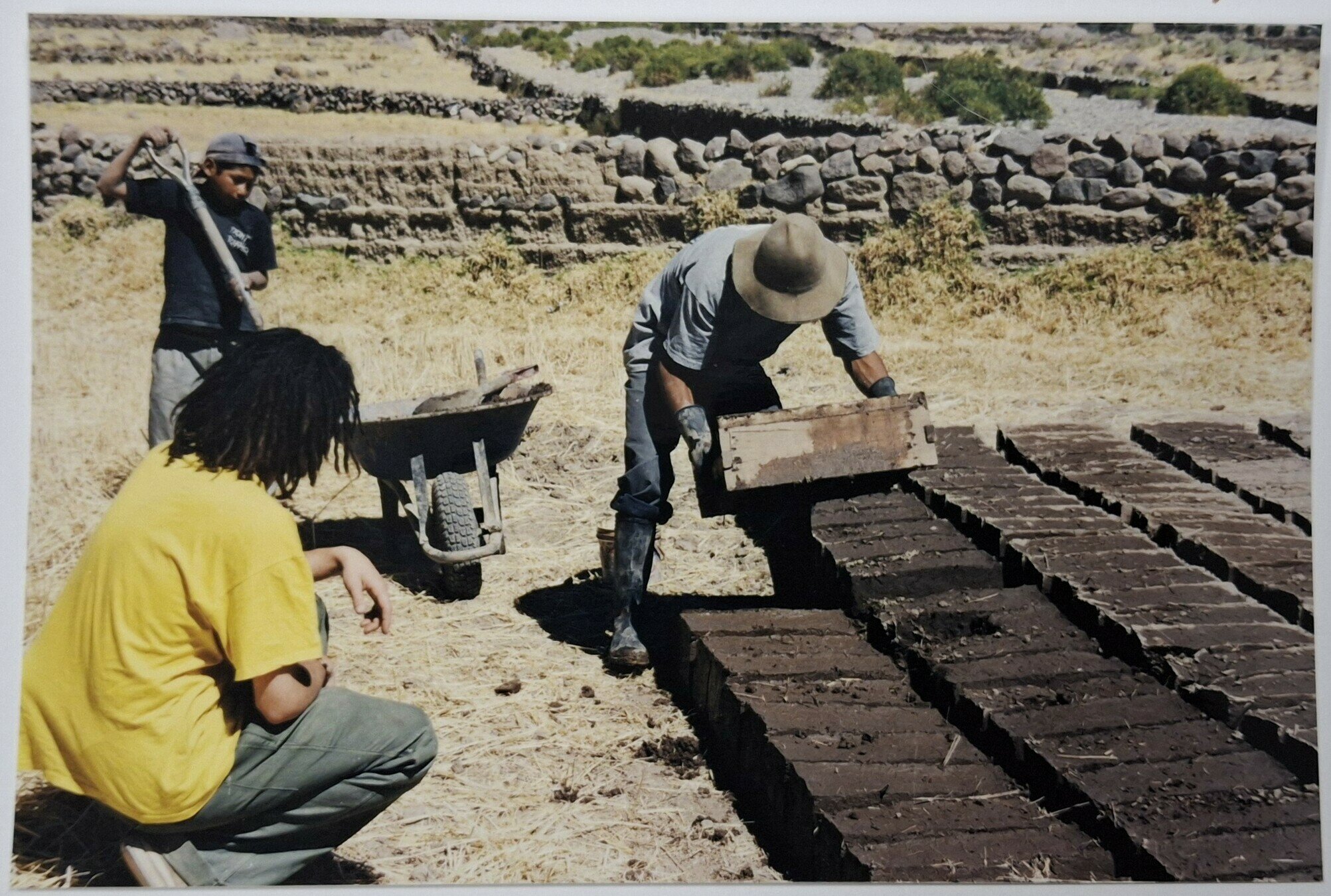
Adobe bricks
We first mixed the adobe ingredients in a pit.
Then, we mould bricks with a wooden form.
They are finally laid in the Sun to dry for several days..
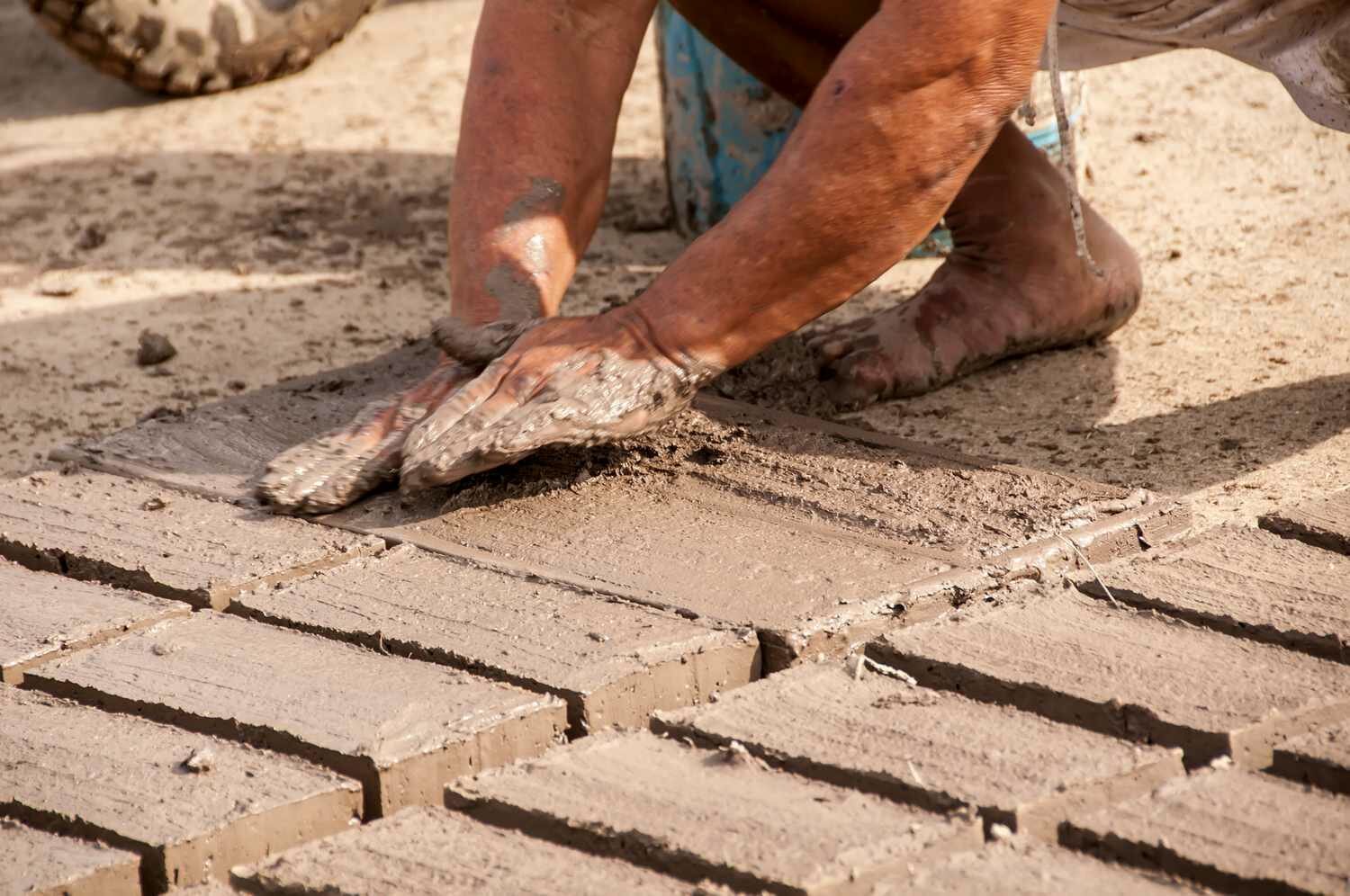
Surface finish is essential to the strength and durability of bricks. It prevents cracks during drying.
Adobe bricks
Architecture is a Human Science
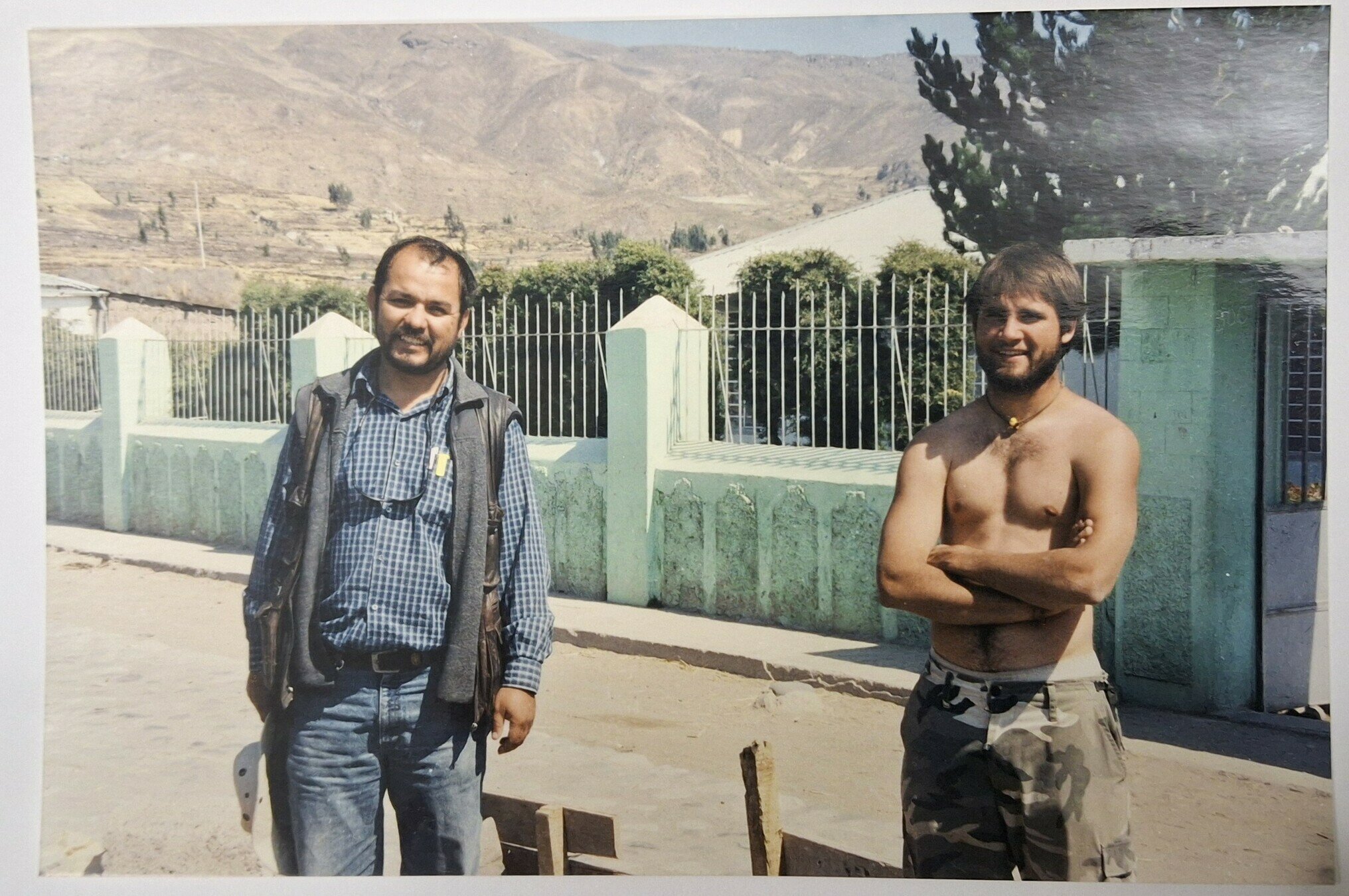
All our gratitude goes to Architect Marcello Berolatti.
Our encounter changed my life in the long term.
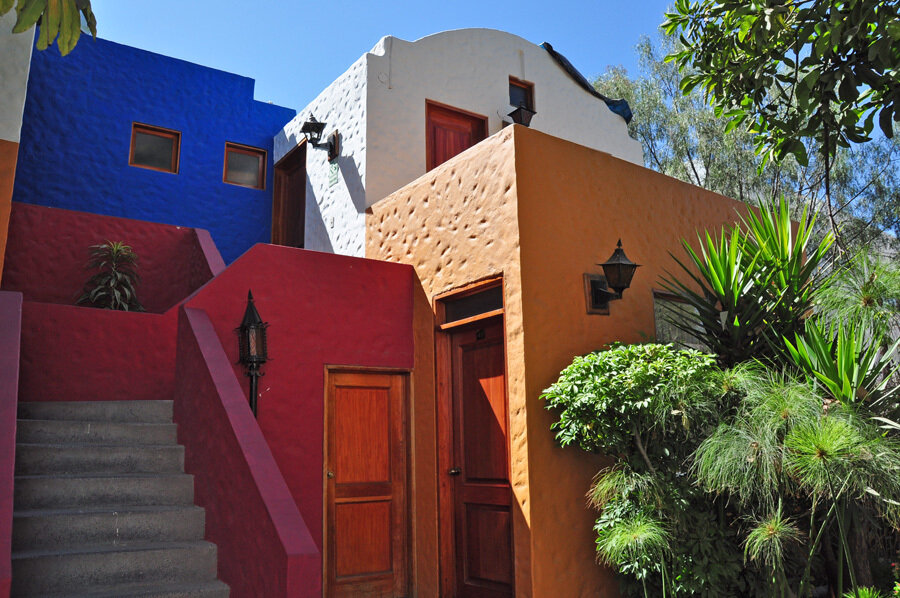
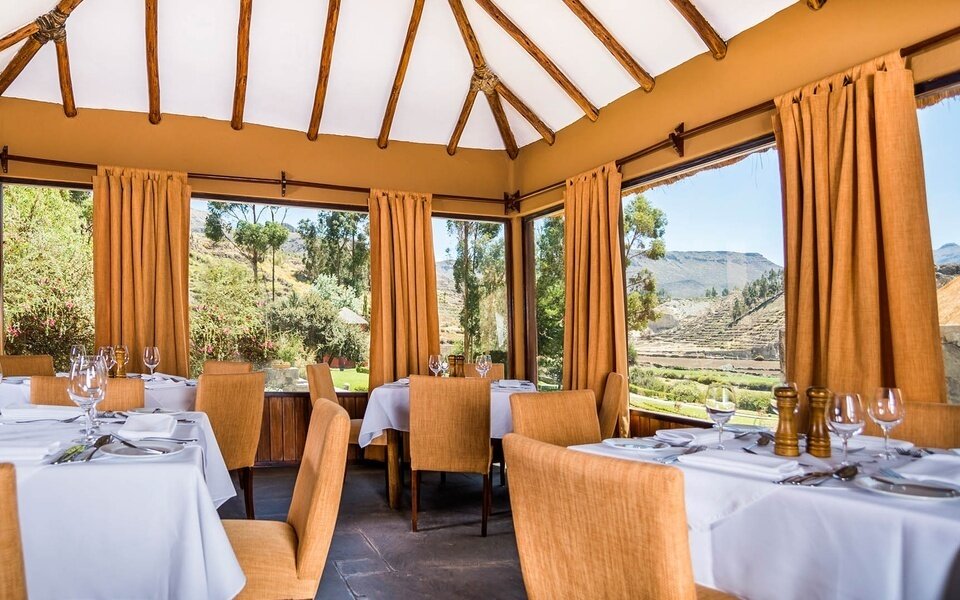
M.Berolatti's work.
Thank you all!